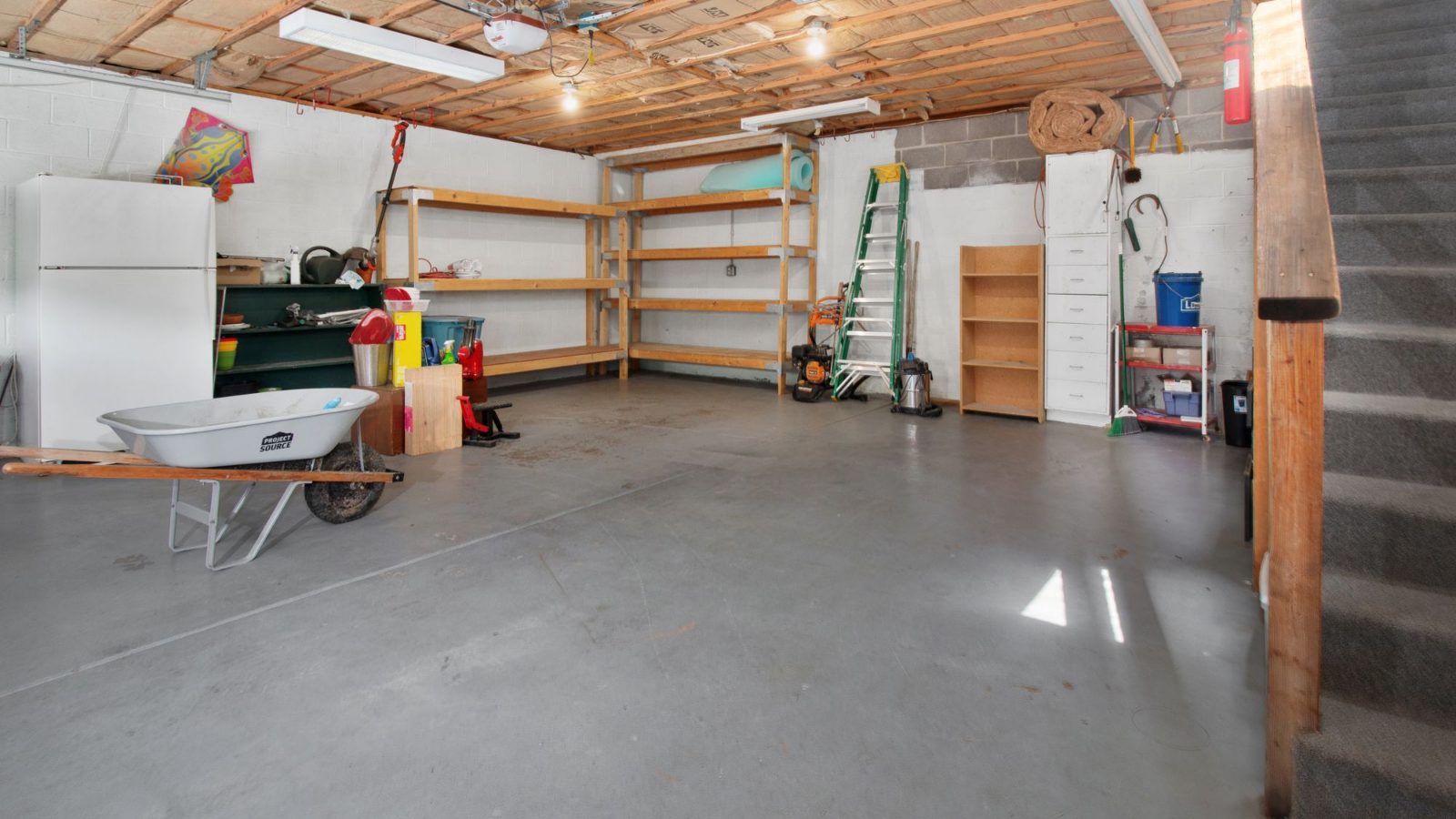
Quick answer: To organize a garage on a budget, declutter first, then sort what is left into zones such as tools, sports, garden, holiday and car care. Get items off the floor with basic shelving, wall hooks and pegboard, and use bins you already own before buying new ones. Most people can get a functional garage for roughly $100 to $400 by focusing on shelving and wall storage.
A cluttered garage can feel like a project that needs a weekend, a truck and a big budget. It does not. With a clear plan and a few inexpensive basics, you can park your car again and actually find the extension cord.
Updated October 2026
Key takeaways
- Declutter before you buy a single bin. Less stuff is the cheapest organizing system there is.
- Divide the garage into zones based on how you use it, with everyday items closest to the door.
- Go vertical: shelving, hooks and pegboard free up the floor for less money than cabinets.
- Reuse containers, buckets and jars you already have, and buy only to fill real gaps.
- Store chemicals, paint and fuel safely, away from heat and out of reach of kids and pets.
Where do you start when organizing a garage?
Start by picking a day with decent weather and blocking out four to six hours. If your garage is packed, split the job into two or three sessions, one section at a time.
Gather supplies before you begin: heavy-duty trash bags, a few boxes labeled Keep, Donate, Sell and Trash, work gloves, a broom and a tape measure. If you are working through the whole house, our room by room guide to organizing your home can help you decide where the garage fits in your plan.
How do you organize a garage step by step on a budget?
Step 1: Pull everything out and sort it
- Move items onto the driveway, grouping them as you go.
- Put each item in one of four piles: Keep, Donate, Sell or Trash.
- Be honest about things you have not used in two years, broken items you have meant to fix, and duplicates.
- Set aside hazardous items (old paint, chemicals, batteries, motor oil) for proper disposal.
Check with your city or county for household hazardous waste drop-off days. Many areas offer them for free. Never pour chemicals or paint down a drain or into the trash.
If the decluttering part feels overwhelming, borrow the approach in our 30 day plan to declutter your home and tackle one category per session.
Step 2: Sell or donate the extras
Selling unused tools, bikes or sports gear can help pay for your shelving. List items online the same weekend while you are motivated, and drop the rest at a donation center within a week so it does not creep back into the garage.
Step 3: Clean the space
With the garage empty, sweep cobwebs from corners and the ceiling, then sweep the floor. Scrub oil spots with dish soap and a stiff brush, or cover fresh spills with cat litter overnight and sweep it up. Wear gloves, keep the door open for ventilation, and never mix bleach with ammonia or vinegar.
Step 4: Plan your zones
Think about how your family uses the garage, then assign each category a zone. A typical layout looks like this:
- Near the house door: everyday items like shoes, reusable bags, recycling and the pet leash.
- Along one long wall: tools and a simple work surface.
- Near the big door: bikes, sports gear, lawn and garden tools.
- Back corners and high shelves: holiday decorations, camping gear and seasonal items.
- A locked or high cabinet: chemicals, pesticides and automotive fluids.
Sketch it on paper with your measurements. Leave enough room to open car doors fully, which is usually about two to three feet on each side.
Step 5: Add storage in order of value
Spend your money where it frees up the most floor space. That usually means shelving first, wall storage second and containers last.
What are the cheapest garage storage ideas?
Here is what common garage storage typically costs and how much value it gives you. Prices are general ranges at hardware and discount stores and can vary by region and brand.
| Storage option | Typical cost | Best for | Budget value |
|---|---|---|---|
| Freestanding metal or resin shelving unit | $40 to $120 each | Bins, paint, bulk supplies | High |
| Wall-mounted utility hooks | $3 to $10 each | Ladders, cords, hoses, folding chairs | Very high |
| Pegboard panel with hooks | $20 to $50 per panel | Hand tools and small supplies | High |
| Rail or track system | $50 to $150 starter kit | Garden tools, bikes, sports gear | Medium to high |
| Ceiling-mounted overhead rack | $80 to $250 | Seasonal bins you rarely need | Medium |
| Plastic storage totes with lids | $8 to $20 each | Holiday, camping, keepsakes | Medium |
| DIY wood shelving | $60 to $200 in lumber | Custom fits and heavy loads | High if you have tools |
| Enclosed garage cabinets | $200 to $1,000+ | A finished look, locking storage | Lower |
Amelia’s tip: Before you buy totes, shop your own house. Laundry baskets, old dresser drawers, coffee cans, glass jars and five gallon buckets all make great garage storage. Spend your money on shelving and hooks, which do the heavy lifting.
How do you get things off the garage floor?
The floor is the most valuable space in a garage, so treat it like prime real estate. Almost everything should live on a shelf, a wall or the ceiling.
Use the walls
- Screw heavy-duty hooks into wall studs for ladders, extension cords, hoses and folding chairs.
- Mount a pegboard over your work area and outline tools with a marker so you can see what is missing.
- Hang rakes, shovels and brooms upside down from a simple rail or a row of hooks.
- Store bikes vertically on hooks, or horizontally on a wall bracket.
Use the ceiling
Overhead racks are perfect for bins you open once or twice a year. Make sure any ceiling rack is rated for the weight you plan to store and installed into joists. If you are not comfortable installing one, a handyman can usually do it in an hour or two.
Use shelving the right way
- Put heavy items on the bottom shelves and light items up top.
- Anchor tall shelving units to the wall to prevent tipping.
- Keep the most used items between knee and shoulder height.
- Use same-size bins so shelves stay neat and stack well.
How should you store paint, chemicals and fuel in a garage?
Safety matters more than looks here. A few simple rules go a long way:
- Keep chemicals, pesticides and automotive fluids in their original containers with labels intact.
- Store them on a high shelf or in a locked cabinet, out of reach of children and pets.
- Keep gasoline only in approved fuel containers, in small amounts, away from heat sources like water heaters and furnaces.
- Store paint off the concrete floor, with lids tightly sealed, and label each can with the room it was used in.
- Keep bleach away from ammonia products and acids so they cannot mix by accident.
Labeling leftover paint by room makes touch-ups simple. If you are planning a refresh, our guide to how much it costs to paint a room covers what to expect.
How do you organize garage tools without a big workbench?
You do not need a custom workshop to keep tools in order.
- Use a folding workbench or a sturdy table that can collapse against the wall when not in use.
- Keep a small toolbox or tool bag with the basics (hammer, screwdrivers, tape measure, pliers, level, utility knife) ready to grab for jobs inside the house.
- Store screws, nails and small hardware in labeled jars or a small parts organizer.
- Group power tools with their chargers and batteries in one bin per tool.
How long does it take to organize a garage?
It depends on how full it is. Here are typical timelines for one or two people working together.
| Garage condition | Typical time | Suggested plan |
|---|---|---|
| Lightly cluttered, car still fits | 4 to 6 hours | One focused day |
| Moderately full, car does not fit | 1 to 2 days | A full weekend |
| Packed wall to wall | 3 to 4 days | Two weekends, one zone at a time |
How do you keep a garage organized?
- Give every item a home and label shelves and bins clearly.
- Do a 15 minute reset once a month, putting tools back and sweeping.
- Rotate seasonal gear twice a year, moving summer items up high in fall and winter items up high in spring.
- Keep a donation box in the garage and drop it off when it is full.
- Do not let the garage become the place where indoor clutter goes to hide.
Organizing on a budget works best when it is part of a bigger plan for your money. Our guide to making a household budget that actually works can help you set aside a small amount each month for home projects like this.
Amelia’s tip: Do the garage in stages. Buy one shelving unit and a pack of hooks this month, live with it, then add the next piece next month. You will spend less and buy only what you need.
Amelia’s picks for this project
- 5 Tier Heavy Duty Garage Shelving UnitGets bins and tools off the garage floor and up onto sturdy metal shelves.
- Brother P-touch PTD220 Label MakerClear labels help everyone in the house put things back where they belong.
- Amazon Basics Collapsible Fabric Storage CubesSoft bins that fit cube shelves and hide visual clutter in seconds.
As an Amazon Associate, Amelia Jay earns from qualifying purchases. See all of Amelia’s picks
Frequently asked questions
What is the cheapest way to organize a garage?
Declutter first, since getting rid of things costs nothing and frees the most space. Then use wall hooks and a basic shelving unit to get items off the floor. Reuse buckets, jars and bins you already own before buying new containers.
How much does it cost to organize a garage?
A basic DIY setup with a couple of shelving units, hooks and pegboard typically runs about $100 to $400. Adding overhead racks or track systems can bring it closer to $500 to $1,000. Custom cabinets or professional installation usually cost more, and prices vary by region.
What should you not store in a garage?
Avoid storing paper documents, photos, electronics and anything sensitive to heat, cold or humidity. Canned food and pet food can spoil or attract pests in a hot garage. Propane tanks should be stored outdoors, not in an enclosed garage.
How do you organize a garage when you have no time?
Work in short sessions of 30 to 60 minutes and tackle one zone at a time, such as one wall or one shelf. Start with the area closest to the house door, since you use it most. Small wins add up quickly over a few weekends.
What is the best shelving for a garage on a budget?
Freestanding metal or heavy-duty resin shelving units give you the most storage for the money. Look for units rated for the weight you plan to store, and anchor tall units to the wall. If you are handy, simple DIY wood shelves can be even cheaper per foot.
Your garage, finally working for you
You do not need fancy cabinets to have a garage that works. Clear out what you do not use, set up simple zones, and get everything off the floor with shelving and hooks. Once the garage is done, keep the momentum going with our guide to organizing a closet on a budget.