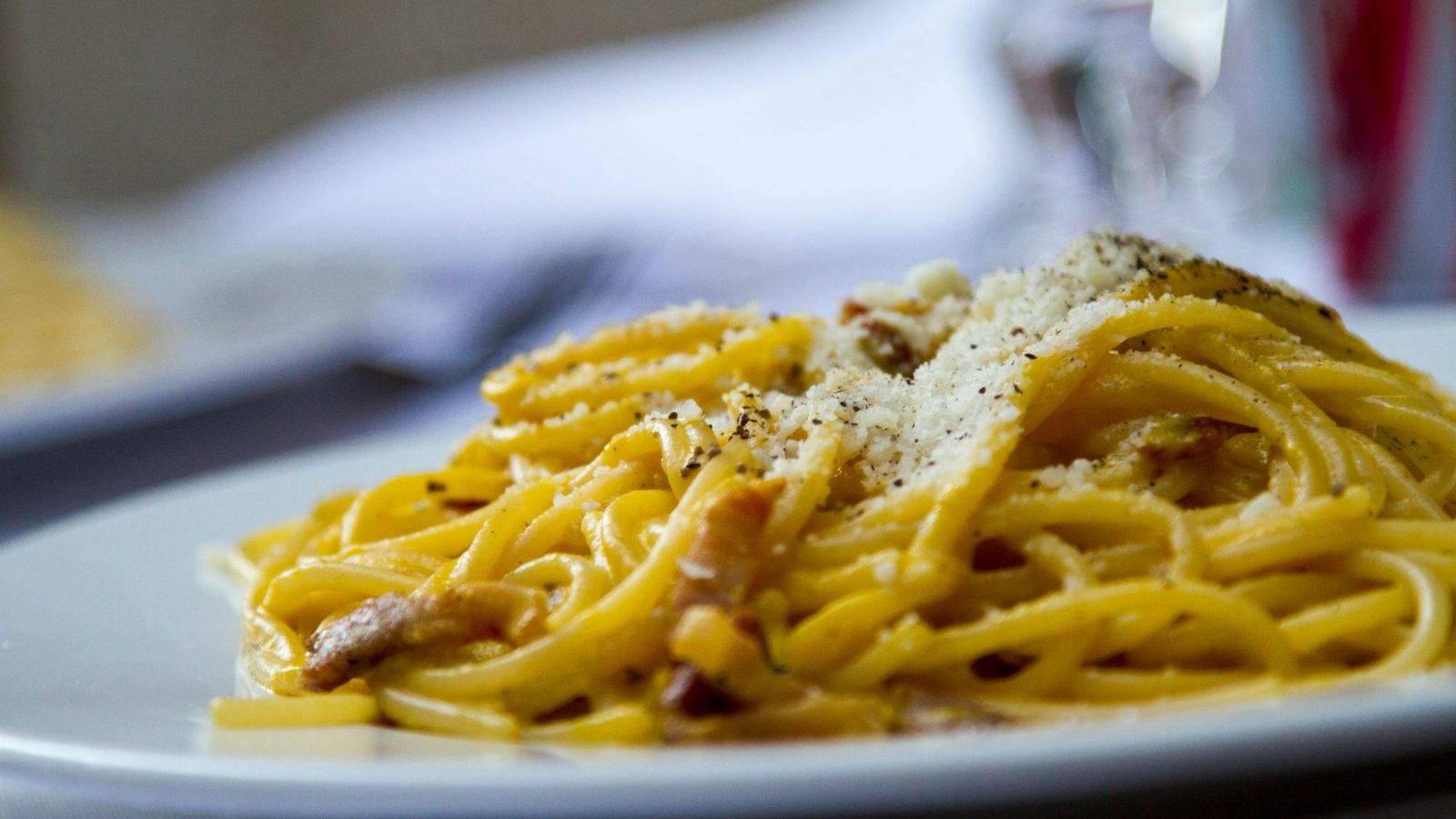
Quick answer: One pot pasta cooks dried pasta directly in a measured amount of broth with tomatoes, garlic and onion, so the pasta absorbs the liquid and its starch creates the sauce. For 12 ounces of pasta, use about 4 cups of liquid plus a can of tomatoes and simmer 9 to 11 minutes. Dinner is ready in about 30 minutes with one pot to wash.
When it is 6 p.m. and everyone is hungry, you need a dinner that uses pantry staples and does not leave a sink full of pots. This is the one I make when the meal plan falls apart, and it tastes like you tried much harder than you did.
Updated October 2026
Key takeaways
- Everything goes into one pot raw, including the dried pasta, so there is no separate boiling or draining.
- The ratio that works: 12 ounces of dried pasta to about 4 cups of broth plus one 14.5 ounce can of tomatoes.
- Stir every minute or two at a lively boil so the pasta cooks evenly and does not stick.
- The finished dish costs roughly $1.50 to $2.50 per serving in most areas, depending on local prices.
- It is easy to customize with leftover chicken, sausage, beans or whatever vegetables need using up.
Why does one pot pasta work?
Regular pasta is boiled in a big pot of water that gets poured away, along with the starch the pasta released. One pot pasta uses only as much liquid as the pasta can absorb.
That starch stays in the pot and thickens the broth into a silky sauce that coats every strand. You get a creamy texture without cream, and you skip the colander entirely.
What you need to make it work
- A wide pot: a 5 to 6 quart Dutch oven or a 12 inch deep skillet lets the pasta lie flat and cook evenly.
- Tongs: they separate long noodles far better than a spoon.
- Dried pasta: fresh pasta cooks too quickly and turns gummy with this method.
- A timer: start it once the pot boils so you can check texture at 9 minutes.
Easy one pot pasta recipe
This version uses tomatoes, lots of garlic, spinach and Parmesan. It is vegetarian if you use vegetable broth, and it feeds four adults or a family of two adults and two to three kids.
| Recipe detail | Amount |
|---|---|
| Prep time | 10 minutes |
| Cook time | 20 minutes |
| Total time | 30 minutes |
| Servings | 4 |
| Approximate cost per serving | About $1.50 to $2.50 (varies by region and store) |
Ingredients
- 12 ounces dried spaghetti or linguine
- 1 can (14.5 ounces) diced tomatoes, with juice
- 1 medium yellow onion, thinly sliced
- 4 cloves garlic, thinly sliced
- 4 cups low sodium chicken or vegetable broth (or water)
- 2 tablespoons olive oil
- 1 teaspoon dried Italian seasoning or dried basil
- 1/2 teaspoon red pepper flakes (optional)
- 1 teaspoon salt, plus more to taste (use less if your broth is salted)
- 3 packed cups baby spinach
- 1/2 cup grated Parmesan cheese, plus more for serving
- Freshly ground black pepper
Instructions
- Add the dried pasta to a wide pot or a large deep skillet (at least 5 quarts or 12 inches wide). Break long noodles in half if they do not lie flat.
- Add the diced tomatoes with their juice, sliced onion, sliced garlic, broth, olive oil, Italian seasoning, red pepper flakes and salt. The liquid should just about cover the pasta.
- Cover and bring to a boil over high heat, which usually takes 5 to 8 minutes. Uncover as soon as it boils.
- Lower the heat to medium so it keeps a steady, lively boil. Cook uncovered for 9 to 11 minutes, stirring and lifting the pasta with tongs every minute or two, until the pasta is tender and most of the liquid has turned into a light sauce.
- Stir in the spinach a handful at a time until it wilts, about 1 minute.
- Take the pot off the heat and stir in the Parmesan. Let it rest for 2 minutes so the sauce thickens and clings to the pasta.
- Taste and adjust with salt and black pepper. Serve right away with extra Parmesan on top.
Amelia’s tip: Slice the onion and garlic thin, not chopped. Thin slices soften completely in the short cooking time and melt into the sauce, while chunky pieces can stay crunchy.
How do you get the texture right?
The goal is pasta that is just tender with a loose, glossy sauce. A few small adjustments make the difference between saucy and soupy, or saucy and dry.
If the pot looks dry too soon
Different pasta brands and pot sizes absorb liquid at different rates. If the liquid is nearly gone and the pasta is still firm, add hot water or broth a quarter cup at a time and keep stirring.
If there is too much liquid at the end
Turn the heat up for a minute or two and stir constantly. Then let the pasta rest off the heat, because the sauce thickens noticeably as it cools for a couple of minutes.
Cooking times by pasta shape
Use these as starting points after the pot comes to a boil, and taste a piece before you call it done.
| Pasta shape (12 oz) | Liquid (plus 1 can tomatoes) | Simmer time after boiling |
|---|---|---|
| Thin spaghetti or angel hair | 3 1/2 cups | 5 to 7 minutes |
| Spaghetti or linguine | 4 cups | 9 to 11 minutes |
| Penne or rotini | 4 cups | 10 to 12 minutes |
| Medium shells or elbows | 3 1/2 to 4 cups | 8 to 10 minutes |
| Whole wheat spaghetti | 4 1/2 cups | 10 to 13 minutes |
How can you change up one pot pasta?
Once you have the base method down, you can make a different dinner every week. Keep the liquid ratio the same and swap the flavors.
Add protein
- Italian sausage or ground beef: brown 1 pound in the pot first, drain the fat, then add everything else.
- Cooked chicken: stir in 2 cups of shredded rotisserie or leftover chicken with the spinach just to warm it through.
- White beans: add one drained 15 ounce can with the spinach for an inexpensive meatless boost.
- Raw chicken pieces: cut into 1 inch pieces, add at the start, and make sure the chicken reaches 165°F before serving.
Change the flavor
- Creamy tomato: stir in 1/4 cup cream cheese or heavy cream with the Parmesan.
- Lemon garlic: skip the tomatoes, use 4 1/2 cups broth, and finish with lemon zest, lemon juice and extra Parmesan.
- Mexican style: use a can of tomatoes with green chiles, add cumin and chili powder, and top with cheddar instead of Parmesan.
- Use up vegetables: add sliced zucchini, bell peppers or mushrooms at the start, or frozen peas in the last 2 minutes.
If you like this kind of low effort dinner, my easy sheet pan chicken and vegetables works the same way: one pan, minimal prep and very little cleanup.
How much does one pot pasta cost to make?
This is one of the cheapest dinners you can make from scratch. Dried pasta, canned tomatoes, an onion and garlic are inexpensive staples, and broth or bouillon adds flavor for very little.
The spinach and Parmesan are the priciest items. To trim costs, use frozen spinach (thawed and squeezed dry) or buy a wedge of Parmesan and grate it yourself, which often goes further than pre-grated tubs.
For more ideas at this price point, see my list of 30 cheap dinners for a family of four under $10. If you are trying to bring your grocery spending in line, my guide to building a household budget that actually works shows how to set a realistic food number.
How do you store and reheat one pot pasta?
Refrigerating
Let leftovers cool, then move them to an airtight container and refrigerate within 2 hours of cooking. Eat them within 3 to 4 days.
Reheating
- Put a portion in a microwave safe bowl or small saucepan.
- Add 1 to 2 tablespoons of water or broth to loosen the sauce.
- Microwave covered for 1 to 2 minutes, stirring halfway, or warm on the stove over medium low heat.
- Heat until it is steaming hot throughout (165°F if you check with a thermometer).
Freezing
You can freeze it for up to 2 months, though the pasta softens a bit after thawing. For the best texture, slightly undercook the pasta if you plan to freeze part of the batch.
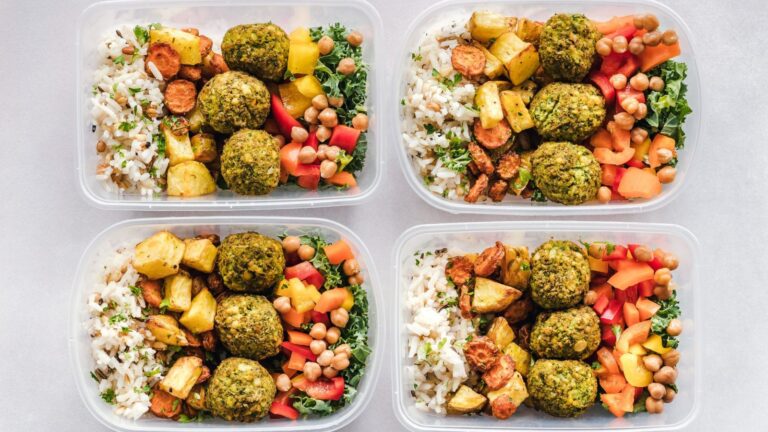
Amelia’s tip: Double the recipe on a Sunday and portion it into lunch containers. It is one of the easiest dishes to work into a two hour weekly meal prep.
How does one pot pasta fit into a weekly meal plan?
Think of this recipe as your backup dinner. Keep a box of pasta, a can of tomatoes, broth, garlic and an onion in the pantry at all times, and you can always pull dinner together without a store run.
It also works well on nights when you need to use up odds and ends: half a bag of spinach, a lonely zucchini, a cup of leftover chicken. If you are building a full week of dinners around easy wins like this, start with my easy meal planning guide for busy families.
Amelia’s picks for this project
- Lodge 6 Quart Enameled Dutch OvenOne pot for soups, pasta, braises and bread that lasts for years.
- Instant Pot Duo 7-in-1Pressure cooks, slow cooks and sautés for fast weeknight dinners.
- Skroam Glass Meal Prep Containers (10 pack)Oven, microwave and freezer friendly containers for grab-and-go meals.
As an Amazon Associate, Amelia Jay earns from qualifying purchases. See all of Amelia’s picks
Frequently asked questions
Do you need to drain one pot pasta?
No. One pot pasta is designed so the pasta absorbs most of the liquid as it cooks. The starch it releases turns the remaining liquid into a light, glossy sauce, so draining would pour your sauce down the sink.
How much liquid do you need for one pot pasta?
A good starting point is about 4 cups of liquid for 12 ounces of dried pasta, counting the juice from a can of tomatoes as extra. If the pot looks dry before the pasta is tender, add hot water a quarter cup at a time.
What kind of pasta works best for one pot pasta?
Long, thin shapes like spaghetti, linguine and thin spaghetti work very well, and so do short shapes like penne, rotini and medium shells. Avoid fresh pasta, which cooks too fast, and very thick shapes, which need more liquid and time.
Can you add chicken or meat to one pot pasta?
Yes. Brown ground meat or sausage in the pot first, drain excess fat, then add the remaining ingredients and cook as written. Raw chicken pieces should be cooked through to 165°F, or stir in already cooked chicken at the end just to warm it.
How do you keep one pot pasta from sticking?
Use a wide pot, keep the liquid at a lively boil and stir every minute or two, especially in the first few minutes when the pasta releases the most starch. Tongs work better than a spoon for separating long noodles.
How long does one pot pasta last in the fridge?
Store leftovers in an airtight container in the fridge and eat them within 3 to 4 days. Add a splash of water or broth when reheating, because the pasta keeps absorbing sauce as it sits.
One pot pasta proves that a homemade dinner does not need a long ingredient list or a pile of dishes. Make it once as written, then start making it your own with whatever is in your fridge.