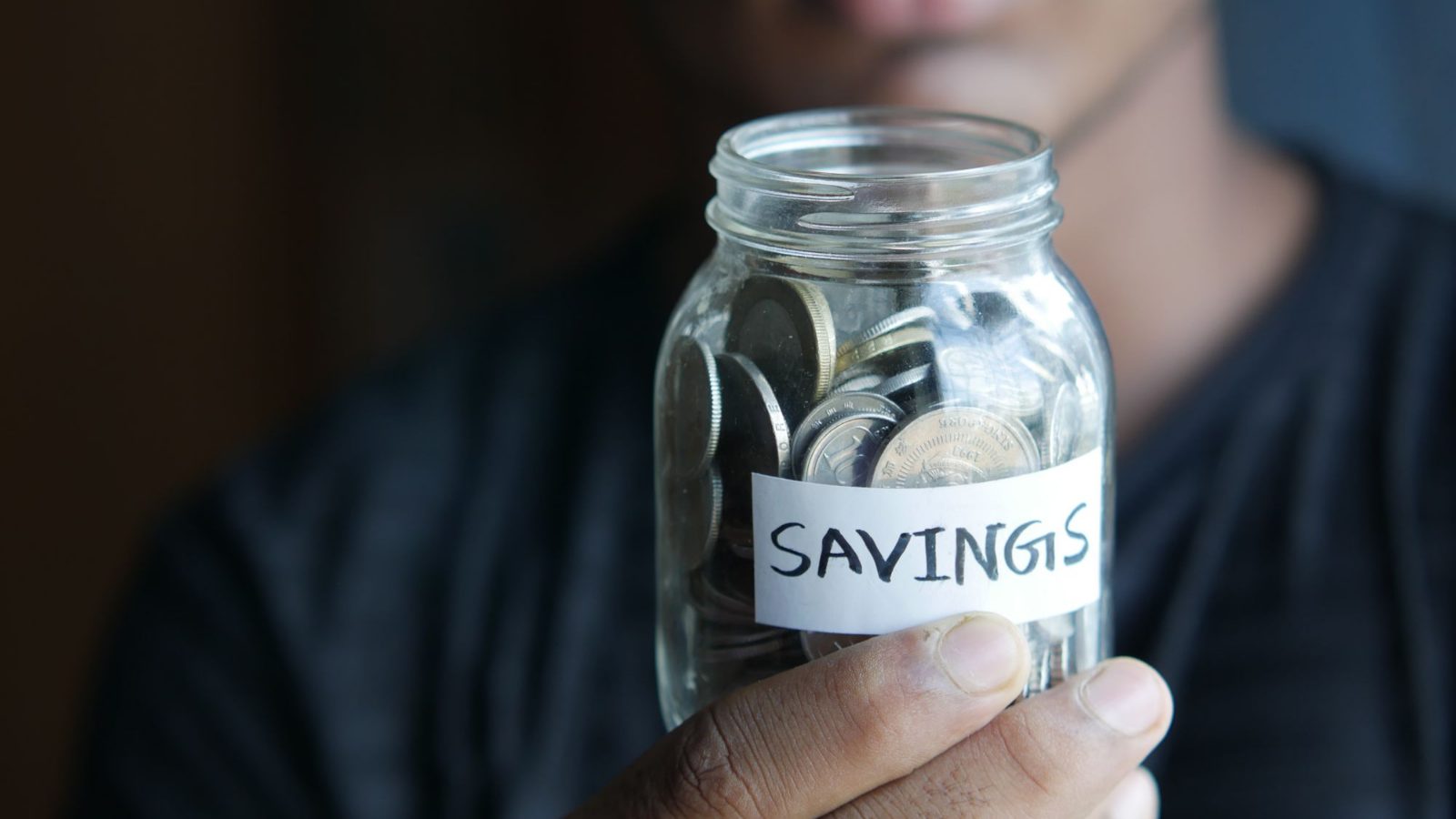
Quick answer: To build an emergency fund on a tight budget, start with a small first goal like $500 or $1,000, open a separate savings account, and set up an automatic transfer of whatever you can manage, even $10 or $20 a week. Boost it by trimming one or two bills, saving windfalls like tax refunds, and selling things you no longer use, then work toward three to six months of essential expenses over time.
When money is tight, saving can feel impossible. The secret is to start smaller than you think you should and let consistency do the heavy lifting.
Updated October 2026
Key takeaways
- A starter emergency fund of $500 to $1,000 can cover many common surprises, like a car repair or a medical copay.
- Keeping the money in a separate savings account makes it less tempting to spend.
- Automatic transfers, even small ones, matter more than the amount you start with.
- Lowering one or two recurring bills can free up money to save without changing your lifestyle much.
- Over time, aim for three to six months of essential expenses, built one milestone at a time.
What is an emergency fund and why do you need one?
An emergency fund is money set aside only for unexpected, necessary expenses. Think car repairs, an urgent medical bill, a broken furnace or a gap in income.
Without one, surprises often end up on a credit card, where interest can turn a $600 repair into a much bigger bill. Even a small cushion helps you handle problems calmly instead of scrambling.
What counts as an emergency?
- Yes: job loss or reduced hours, urgent car or home repairs, medical or dental bills, emergency travel, a needed appliance replacement.
- No: vacations, holiday gifts, sales, planned purchases or routine bills you know are coming. Those belong in separate savings goals.
How much should you have in an emergency fund?
The common guideline is three to six months of essential expenses. That number can feel overwhelming, so break it into stages.
| Stage | Goal | What it covers |
|---|---|---|
| 1. Starter fund | $500 to $1,000 | Small surprises like a tire, a copay or a minor repair |
| 2. One month | One month of essential expenses | A short income gap or a larger repair |
| 3. Three months | Three months of essential expenses | Most job transitions and bigger emergencies |
| 4. Six months or more | Six months of essential expenses | Extra security for single-income households, variable income or less stable jobs |
How to calculate your essential expenses
Add up only what you must pay each month to keep your household running:
- Rent or mortgage
- Utilities, phone and internet
- Groceries
- Insurance premiums
- Transportation (car payment, gas, transit)
- Minimum debt payments
- Childcare and essential medical costs
Leave out dining out, streaming services and other extras, since you would cut those in a real emergency.
How do you start an emergency fund when money is tight? 7 steps
- Open a separate savings account. Keep it apart from your checking account so you are not tempted to dip into it. Look for one with no monthly fees, and consider a high-yield savings account so your money earns some interest.
- Set a small first goal. Choose $500 or $1,000. A reachable goal keeps you motivated.
- Find your starting amount. Look at your last month of spending and pick a number you can save without missing a bill. Even $10 a week counts.
- Automate it. Schedule a transfer for the day after payday so the money moves before you can spend it. If your employer allows, split your direct deposit so part goes straight to savings.
- Cut one bill and redirect the savings. Lower a phone plan, cancel an unused subscription or shop your insurance, then send that exact amount to savings.
- Save every windfall. Put tax refunds, rebates, cash gifts, bonuses and side income straight into the fund, or at least half of each.
- Raise your transfer as you go. Each time you pay off a debt or get a raise, increase your automatic transfer a little.
Amelia’s tip: Give your savings account a name like “Car Repair Shield” or “Peace of Mind Fund.” It sounds small, but naming the goal makes it much easier to leave the money alone.
How fast can you build an emergency fund?
Small, steady amounts add up faster than most people expect. Here is what consistent weekly saving looks like, before any interest.
| Saved per week | After 1 month | After 3 months | After 6 months | After 1 year |
|---|---|---|---|---|
| $10 | about $43 | $130 | $260 | $520 |
| $25 | about $108 | $325 | $650 | $1,300 |
| $50 | about $217 | $650 | $1,300 | $2,600 |
| $100 | about $433 | $1,300 | $2,600 | $5,200 |
Add a tax refund or a few sold items, and you can reach your starter goal much sooner.
Where can you find extra money to save?
Lower your recurring bills
Recurring bills are the best place to look because one change keeps saving you money every month. Our guide on how to lower your household bills walks through phone, internet, insurance, subscriptions and utilities. With cold weather coming, these ways to lower your electric bill in winter can help too.
Spend less on food
Groceries and takeout are often the most flexible part of a budget. Planning a few simple meals each week helps, and our 30 cheap dinners for a family of four under $10 are a great place to start.
Sell what you do not use
Clothes, kids’ gear, furniture and electronics can turn into fast cash through local marketplaces or consignment shops. If you need a push, our 30 day decluttering plan will help you find items to sell along the way.
Try a no-spend challenge
Pick a weekend, a week or a month to buy only essentials. Move whatever you would normally have spent into your emergency fund.
Round up your purchases
Many banks offer a round-up feature that moves spare change from each purchase into savings. It is small, but it runs in the background with no effort.
Where should you keep your emergency fund?
Your emergency fund should be safe, easy to reach within a day or two, and separate from everyday spending.
| Option | Pros | Cons |
|---|---|---|
| High-yield savings account | Earns more interest than a typical savings account, easy to access, usually insured at banks and credit unions | Transfers to checking can take a day or two |
| Regular savings at your bank | Instant transfers to checking | Often earns very little interest and is easier to dip into |
| Money market account | Competitive interest, sometimes check writing | May require a higher minimum balance |
| Cash at home | Instant access | No interest, risk of loss or theft, easy to spend |
Investments like stocks are generally not a good home for emergency money because their value can drop right when you need it. Make sure any bank or credit union account you use is federally insured.
Should you save for emergencies or pay off debt first?
Many people do both at once: build a small starter fund first, then focus extra money on high-interest debt while keeping the fund in place. Without a starter cushion, any surprise tends to go right back on a credit card.
Amelia’s tip: If you have to use your emergency fund, that means it worked. Do not feel guilty. Just restart your automatic transfer and rebuild one step at a time.
This article is general education, not personalized financial advice. If you are juggling debt and savings decisions, a nonprofit credit counselor or licensed financial professional can help you weigh your options.
To make room in your monthly plan, start with our guide to making a household budget that actually works.
Amelia’s picks for this project
- ABC life Cash Envelopes for BudgetingDurable envelopes for a cash stuffing or sinking funds system.
- Taja Undated Budget PlannerA simple paper system for tracking bills, spending and savings goals.
- Kasa Smart Plug Mini with Energy MonitoringShows which devices use the most power and shuts them off on a schedule.
As an Amazon Associate, Amelia Jay earns from qualifying purchases. See all of Amelia’s picks
Frequently asked questions
How much should I put in my emergency fund each month?
Start with any amount you can save consistently without missing bills, even $40 or $50 a month. Consistency matters more than size at first. Increase the amount whenever you lower a bill, pay off a debt or get a raise.
Is $1,000 enough for an emergency fund?
A $1,000 starter fund can cover many common surprises, like a car repair or an urgent appliance fix. It is a great first milestone. Over time, most guidance suggests building toward three to six months of essential expenses for bigger events like job loss.
Where is the best place to keep an emergency fund?
A separate, federally insured high-yield savings account is a popular choice because it is safe, earns some interest and is easy to reach within a day or two. Keeping it apart from checking also makes it less tempting to spend.
Should I build an emergency fund if I have credit card debt?
Many people build a small starter fund first, then focus on paying down high-interest debt. Without any cushion, a surprise expense often goes right back onto the card. A licensed financial professional or nonprofit credit counselor can help with your specific situation.
How long does it take to build an emergency fund?
It depends on how much you can save and how big your goal is. Saving $25 a week builds about $1,300 in a year, before interest. Adding windfalls like tax refunds or money from selling unused items can speed it up a lot.
Building an emergency fund on a tight budget is not about saving a lot. It is about starting now and staying consistent. Open the account, set up a small automatic transfer this week and watch your cushion grow, one deposit at a time.