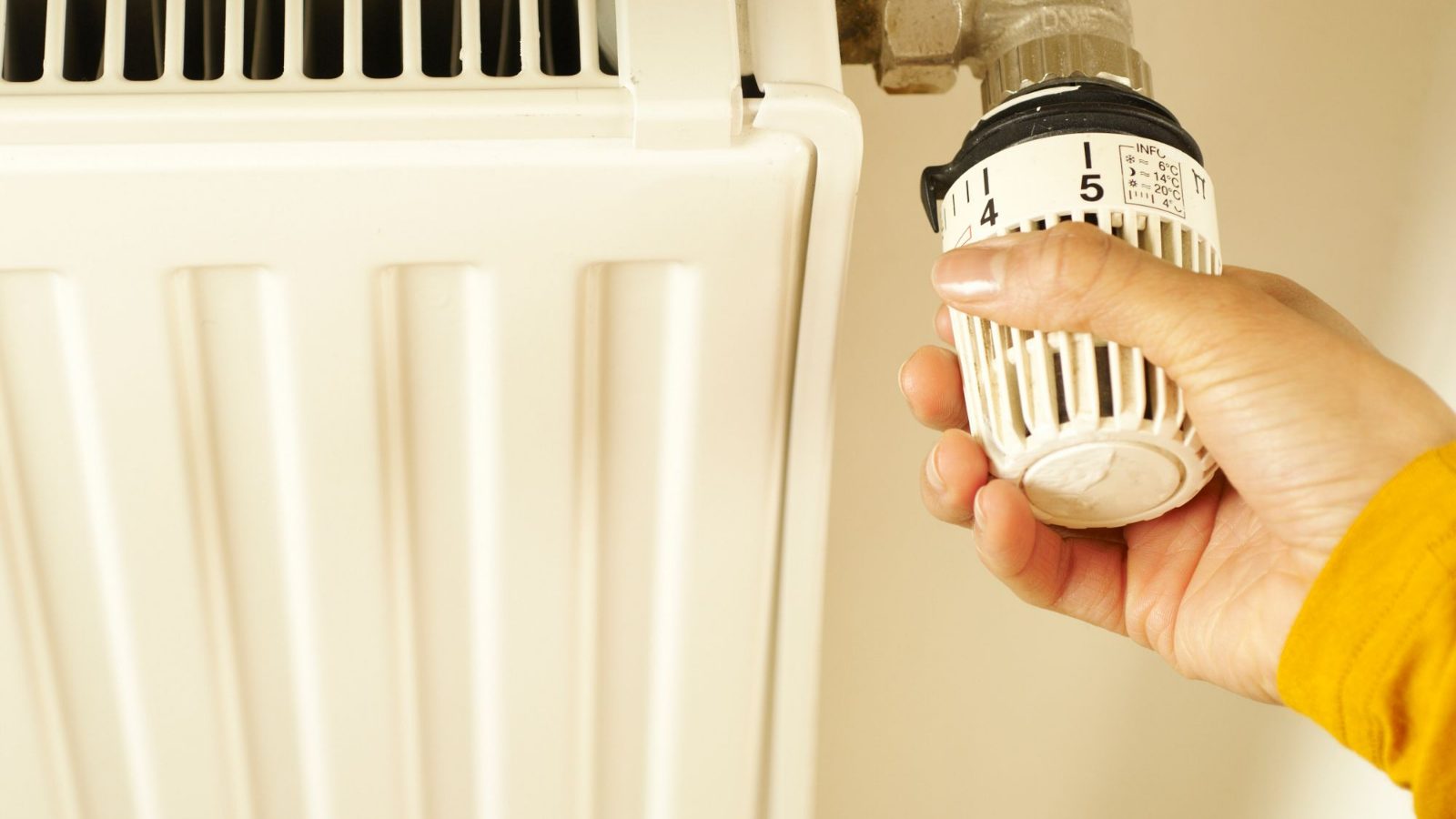
Quick answer: To lower your electric bill in winter, set your thermostat to about 68°F while you are home and lower it at night, seal drafts around windows and doors, and use space heaters only to warm the room you are in. Washing clothes in cold water, switching to LED bulbs and cutting standby power add steady savings on top.
Winter bills climb because heating runs longer, days are shorter and everyone spends more time indoors. These 21 fixes are grouped by effort, so you can start with the free ones tonight and work up to small upgrades.
Updated October 2026
Key takeaways
- Heating is usually the largest part of a winter electric bill, so thermostat settings matter most.
- Lowering the thermostat 7 to 10 degrees for about 8 hours a day can trim heating costs noticeably.
- Drafts let paid-for heat escape. Weatherstripping and door sweeps cost little and pay back fast.
- Space heaters save money only when you heat one small room and turn the central heat down.
- Ask your utility about budget billing, time-of-use rates and free energy audits.
Why is my electric bill so high in winter?
If you heat with electricity (a heat pump, electric furnace or baseboard heaters), heating can be the biggest line on your bill from December through February. Even with gas heat, the furnace blower, extra lighting, holiday decorations and more time at home all push usage up.
Electric resistance heat, like baseboards and space heaters, is especially costly to run for long periods. Heat pumps are more efficient, but they lean on backup resistance heat when temperatures drop sharply or when the thermostat is raised quickly.
For a bigger picture of every bill you can cut, see our complete guide on how to lower your household bills.
Free ways to lower your winter electric bill (1 to 9)
1. Set the thermostat to 68°F when you are home
Around 68°F while you are awake is a comfortable target for most homes. Every degree lower helps a little. Add a sweater and slippers before you reach for the dial.
2. Turn it down at night and when you leave
The U.S. Department of Energy notes that turning your thermostat back 7 to 10 degrees for about 8 hours a day can save on heating. Sleeping under a warm comforter at 60°F to 62°F is easy for many people.
3. Raise the temperature gradually if you have a heat pump
Big jumps can trigger expensive backup heat strips. Raise the setting a couple of degrees at a time, or use a thermostat designed for heat pumps that ramps up slowly.
4. Open curtains on sunny days
South-facing windows let in free solar heat. Open those curtains in the morning and close them at sunset to hold the warmth in.
5. Reverse your ceiling fans
Set fans to spin clockwise on the lowest speed. This pushes warm air that collects near the ceiling back down into the room.
6. Keep vents and radiators clear
Furniture, rugs and long curtains over vents block heat. Move them a few inches away so warm air can circulate.
7. Close doors to rooms you do not use
Shut the door to a guest room or storage room. If you have a heat pump or central forced air, do not close too many vents, since that can strain the system. Check your owner’s manual.
8. Wash clothes in cold water and run full loads
Most of the energy a washer uses goes into heating water. Modern detergents clean well in cold water, and full loads mean fewer cycles.
9. Unplug or switch off standby devices
TVs, game consoles, chargers and printers can draw power when they look off. Plug them into a power strip and switch it off at night.
Amelia’s tip: Set your thermostat schedule once on a Sunday, then leave it alone for a week. Most people stop noticing the lower settings within a few days, and the next bill shows the difference.
Low-cost fixes under $50 (10 to 16)
10. Weatherstrip doors and windows
Self-adhesive foam or rubber weatherstripping costs a few dollars per window. Press it into the gaps where the sash meets the frame and around exterior door frames.
11. Add door sweeps
If you can see daylight under an exterior door, heat is escaping. A door sweep or draft stopper closes the gap.
12. Use window insulation film
Clear shrink film kits seal drafty single-pane windows for the season. You apply double-sided tape around the frame, stretch the film and shrink it tight with a hair dryer. It peels off in spring.
13. Seal outlets and switch plates on exterior walls
Foam gaskets fit behind outlet covers and block cold air. Turn off power at the breaker before removing any cover plate.
14. Swap to LED bulbs
Winter means more hours of lighting. LEDs use far less electricity than incandescent bulbs and last years longer. Start with the lights you use every evening.
15. Hang thermal curtains
Insulated or thermal-lined curtains add a layer between you and cold glass. Close them at night, especially in bedrooms.
16. Change your furnace or air handler filter
A dirty filter makes your system run longer to move the same heat. Check it monthly in winter and replace it every 1 to 3 months.
Renting? Most of these are removable and deposit-safe. For more ideas, read how to update a rental without losing your deposit.
How do I use a space heater without raising my bill? (17 and 18)
17. Heat the person, not the whole house
A space heater can lower costs only if you turn down your central heat and warm just the room you are in. Running a space heater on top of normal heating raises your bill.
- Choose a model with tip-over and overheat shutoff.
- Plug it directly into a wall outlet, not an extension cord or power strip.
- Keep it at least 3 feet from bedding, curtains, furniture and anything that can burn.
- Never leave it running when you leave the room or go to sleep.
18. Try heated throws and mattress pads
An electric blanket or heated mattress pad uses much less power than heating a whole room. Many people find they can set the bedroom thermostat several degrees lower with one. Follow the manufacturer’s safety directions and replace any with frayed cords.
Bigger moves that pay off over time (19 to 21)
19. Install a smart or programmable thermostat
If you forget to adjust the temperature, a programmable thermostat does it for you. Many utilities offer rebates on qualifying models.
20. Set your electric water heater to 120°F
Water heating is often the second biggest energy use in a home. Many units come set higher than needed. Lowering to 120°F saves energy and reduces scald risk. Wrapping exposed hot water pipes with foam sleeves helps too.
21. Ask your utility about programs
Call or log in to your utility account and ask about:
- Budget billing: spreads your yearly cost into equal monthly payments so winter does not hit as hard.
- Time-of-use rates: lower prices at off-peak hours, if you can shift laundry and dishwasher use.
- Free or low-cost home energy audits: a pro finds leaks and insulation gaps.
- Rebates: on thermostats, insulation, heat pumps and efficient appliances.
- Assistance programs: for households that qualify based on income.
Which winter fixes save the most?
Results depend on your climate, your home and your heating system, but here is a general picture of where effort pays off.
| Fix | Typical upfront cost | Savings impact | Time to do it |
|---|---|---|---|
| Thermostat schedule (68°F day, lower at night) | Free | High | 10 minutes |
| Weatherstripping and door sweeps | $10 to $40 | Medium to high | 1 to 2 hours |
| Window film kits | $5 to $10 per window | Medium | 20 minutes per window |
| LED bulbs | $2 to $5 per bulb | Low to medium | 15 minutes |
| Water heater at 120°F | Free | Medium | 10 minutes |
| Programmable or smart thermostat | $30 to $250 before rebates | Medium to high | 30 to 60 minutes |
| Cold water laundry | Free | Low to medium | None |
A simple winter energy checklist
- Thermostat schedule set and tested
- Furnace filter checked this month
- Drafts sealed on the windiest side of the house
- Curtains open on sunny days, closed at night
- Ceiling fans reversed
- Power strips on entertainment and office areas
- Utility account checked for budget billing and rebates
Once your energy bill is under control, put the savings to work. Our guide on how to make a household budget that actually works shows you how to give every dollar a job.
Amelia’s tip: Compare this winter’s bill to the same month last year, not to last month. Your utility account usually shows a usage history graph, which makes it easy to see whether your changes are working.
Amelia’s picks for this project
- Duck Brand Window Insulation KitClear shrink film that seals drafty windows for the winter.
- Holikme Door Draft StopperBlocks cold drafts under doors to keep heat where you want it.
- Kasa Smart Plug Mini with Energy MonitoringShows which devices use the most power and shuts them off on a schedule.
As an Amazon Associate, Amelia Jay earns from qualifying purchases. See all of Amelia’s picks
Frequently asked questions
What temperature should I set my thermostat in winter to save money?
Around 68°F while you are home and awake is a common energy-saving target. Lower it 7 to 10 degrees while you sleep or are away for long stretches. If you have a heat pump, make changes gradually to avoid triggering backup heat.
Is it cheaper to leave the heat on all day or turn it off?
It is usually cheaper to lower the temperature when you are away or asleep than to keep it steady all day. Your home loses heat more slowly when it is cooler inside, so the system uses less energy overall. Avoid turning heat fully off in freezing weather, since pipes can freeze.
Do space heaters save money on electric bills?
They can if you heat only the room you are using and turn your central heat down. Running a space heater in addition to your regular heat will increase your bill. Always use one with automatic shutoff and keep it 3 feet from anything flammable.
What uses the most electricity in a house in winter?
For homes with electric heat, heating is usually the largest user by far, followed by water heating. Lighting, laundry, cooking and electronics make up the rest. If you heat with gas, the furnace blower still uses electricity.
What is budget billing on an electric bill?
Budget billing averages your yearly energy cost into equal monthly payments. You still pay for what you use, but the high winter months are spread across the year. Many utilities offer it for free, so ask yours.
You do not need to do all 21 at once. Start with the free fixes this week, add a few low-cost upgrades next weekend, and watch your next bill. Small changes stack up fast in the coldest months.