Quick answer: To organize a small bedroom for more space, declutter first, then use the space under the bed, on the walls and behind the door for storage. Choose furniture that does double duty, such as a storage bed or a nightstand with drawers, and keep the floor as clear as possible. Light colors, a smart furniture layout and a simple daily reset make a small room feel bigger.
A small bedroom can feel cramped fast, especially when it has to hold clothes, a work corner and everything that does not fit anywhere else. With a few layout changes and smarter storage, you can make it feel calm and roomy without a renovation.
Updated October 2026
Key takeaways
- Declutter before you organize. Every item you remove gives you space for free.
- Use the hidden zones: under the bed, above the door, the back of the door and the walls.
- Choose furniture with built-in storage and keep the number of pieces small.
- Place the bed to leave a clear walking path and easy access to the closet.
- A five minute nightly reset keeps a small room from tipping back into clutter.
Where do you start with a small bedroom?
Start by deciding what the room is for. Sleep, getting dressed and maybe a little reading are the core jobs. Anything that does not support those jobs, such as stray paperwork, exercise gear or holiday bins, should go elsewhere if possible.
Then measure the room, including the windows, doors and closet opening. A rough sketch on paper helps you test layouts before you move heavy furniture. For a whole house approach, our room by room guide to organizing your home shows how the bedroom fits into the bigger plan.
How do you organize a small bedroom step by step?
Step 1: Declutter every surface and drawer
- Clear the nightstands, dresser top and floor first, since these make the biggest visual difference.
- Go through clothes and remove anything that does not fit, is worn out or has not been worn in a year.
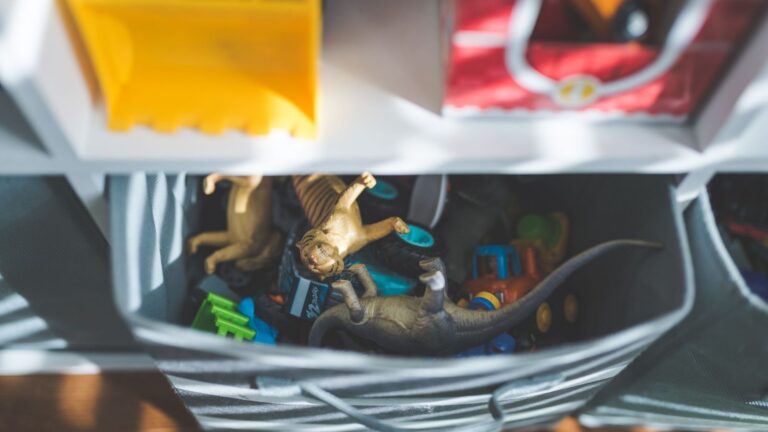
- Take out items that belong in other rooms: dishes, mail, toys, tools and laundry supplies.
- Pull out everything stored under the bed and decide what stays.
If you need a structured approach, our 30 day plan to declutter your home breaks the job into small daily tasks.
Step 2: Plan your furniture layout
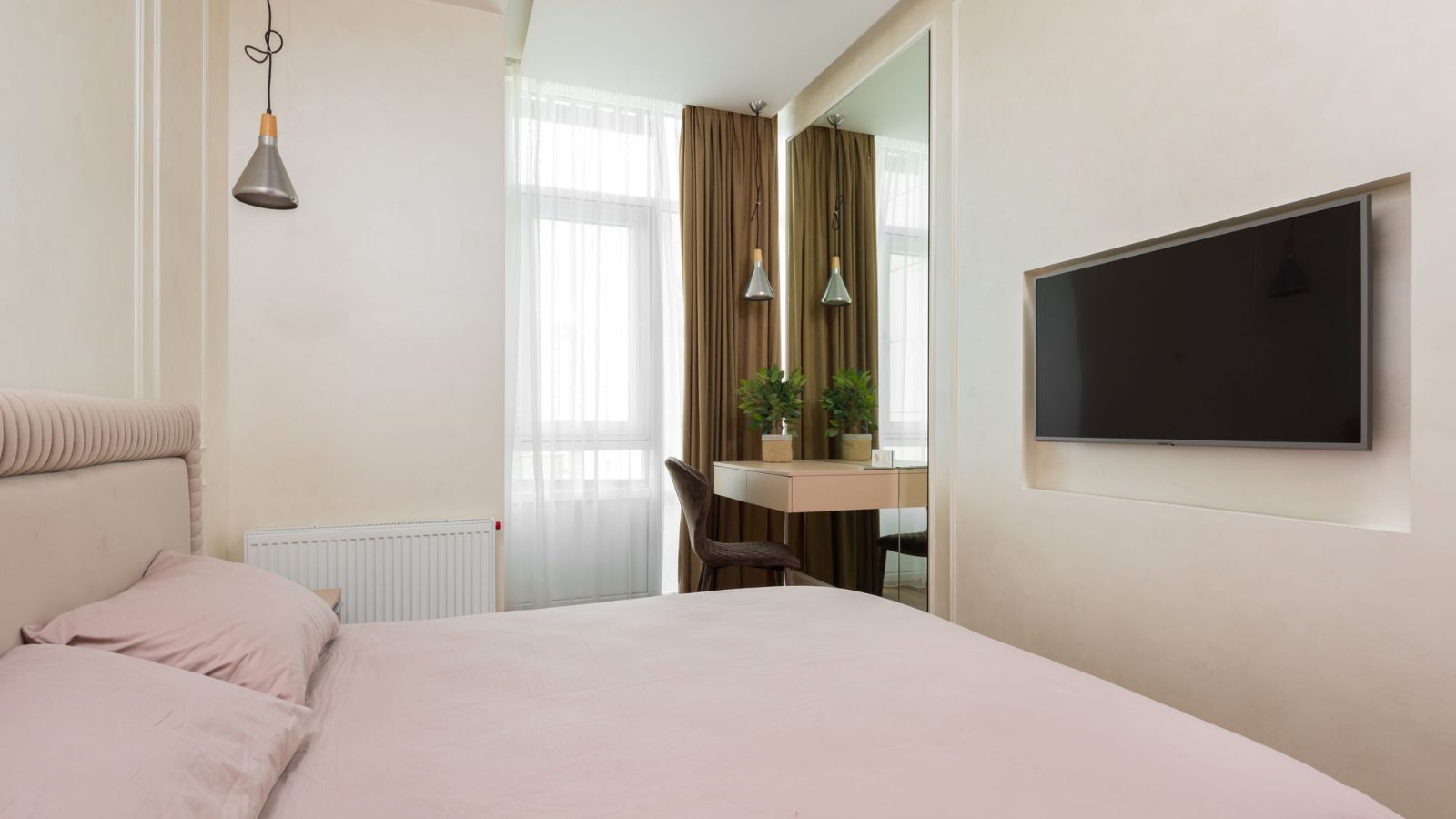
The bed is the biggest piece, so place it first. Aim for at least 24 inches of walking space on the sides you use, and about 30 to 36 inches in front of dressers and closets so drawers and doors open fully.
- Centering the bed on the main wall usually feels balanced, and it works well for couples.
- Pushing a twin or full bed into a corner frees up floor space in a very small room or a kids room.
- Avoid placing the bed where it blocks the window, a closet door or the heating vents.
Step 3: Choose multi-use furniture
In a small bedroom, every piece should earn its spot. Look for furniture that stores as well as serves another purpose.
Step 4: Add storage in the hidden zones
Under the bed, the walls and the back of the door are usually the most underused spaces. More on each below.
Step 5: Organize the closet
A well-organized closet takes pressure off the rest of the room. Add a second hanging rod for shorter items, use slim matching hangers and put a shelf divider or bins on the top shelf. Our guide to organizing a closet on a budget covers this in detail.
Step 6: Style it for space
Once everything has a home, use color, light and mirrors to make the room feel larger. Small changes here often matter more than a new piece of furniture.
What furniture saves the most space in a small bedroom?
Here is a comparison of common space-saving pieces. Costs are typical ranges for budget to mid-range retail and vary by region, size and materials.
| Furniture | How it saves space | Typical cost | Good to know |
|---|---|---|---|
| Bed frame with drawers | Replaces a dresser or adds major storage | $250 to $900 | Needs clearance for drawers to open |
| Lift-up storage bed | Holds bulky items like bedding and luggage | $350 to $1,200 | Best for things you access less often |
| Bed risers | Add several inches of under-bed space | $15 to $35 | Check weight rating and stability |
| Tall, narrow dresser | Uses vertical space with a small footprint | $120 to $400 | Anchor it to the wall |
| Wall-mounted nightstand or shelf | Frees floor space beside the bed | $25 to $120 | Renters may prefer adhesive or tension options |
| Storage bench or ottoman | Seating plus hidden storage at the foot of the bed | $60 to $250 | Great for extra blankets |
| Wall-mounted desk or floating shelf | Creates a work spot without a bulky desk | $40 to $200 | Pair with a stool that tucks underneath |
Amelia’s tip: Before buying new furniture, try bed risers and two long under-bed bins. For well under $100, you can often gain as much storage as a small dresser, and you can take them with you when you move.
How do you use the space under the bed?
Under-bed storage can hold a surprising amount if you keep it organized.
- Use matching low bins with lids or wheels so you can pull them out easily.
- Store off-season clothes, extra bedding, shoes or gift wrap here.
- Use vacuum storage bags for bulky winter items like comforters and coats.
- Label the end of each bin so you can see what is inside without opening it.
- Vacuum under the bed when you rotate seasonal items to keep dust down.
Keeping spare sheet sets in an under-bed bin makes changing your bed easier. Not sure how often to do that? See how often you should wash your sheets.
How do you use wall and door space?
Walls
- Install floating shelves above the dresser or desk for books and decor.
- Mount a shelf above the door for items you rarely need.
- Use hooks or a peg rail for bags, hats, robes and tomorrow’s outfit.
- Replace a bedside lamp with wall-mounted sconces to free up nightstand space.
Doors
- Hang an over-the-door organizer for shoes, scarves or accessories.
- Add an over-the-door hook rack for coats and robes.
- Mount a full-length mirror on the back of the door instead of using floor space.
If you rent, look for adhesive hooks, tension rods and over-the-door products that do not need nails. Our guide to updating a rental without losing your deposit has more ideas that are easy to undo.
How do you make a small bedroom look bigger?
Once the room is organized, these finishing touches help it feel more open:
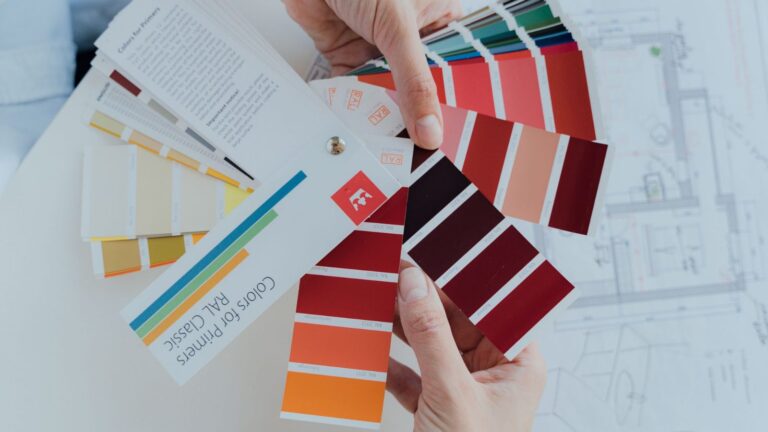
- Choose light walls. Soft whites, warm grays and pale colors reflect light. A fresh coat of paint is one of the cheapest upgrades; see our guide to the cost to paint a room.
- Hang curtains high and wide. Mount the rod closer to the ceiling and a few inches past the window frame on each side.
- Add a large mirror. It reflects light and visually doubles the space.
- Pick furniture with legs. Seeing the floor under a piece makes the room feel airier.
- Keep surfaces mostly clear. Limit each surface to three or four items.
- Use one larger rug. A rug that extends past the sides of the bed looks better than several small ones.
What should you keep in a small bedroom (and what should go)?
| Keep in the bedroom | Move somewhere else if you can |
|---|---|
| Everyday clothes and shoes | Off-season clothes (or store them under the bed) |
| Bedding for this bed | Extra linens for other rooms |
| A few books and a lamp | Paperwork, bills and the home office overflow |
| Basic toiletries you use at night | Exercise equipment and laundry piles |
| A small charging station | Holiday decor and storage bins for other rooms |
How do you keep a small bedroom organized?
- Make the bed every morning. It takes two minutes and makes the whole room look tidy.
- Do a five minute reset each night: clothes in the hamper or closet, cups to the kitchen, surfaces cleared.
- Use a single catch-all tray on the dresser for keys, jewelry and pocket items.
- Follow a one in, one out rule for clothes and shoes.
- Rotate seasonal clothing twice a year and donate what you did not wear.
Amelia’s tip: Put a hamper with a lid where clothes tend to pile up, even if that spot is not where you planned. Working with your habits instead of against them is the easiest way to keep the floor clear.
Amelia’s picks for this project
- ZOBER Under Bed Storage BagsZippered bags for off-season clothes and extra bedding that slide under the bed.
- Amazon Basics Slim Velvet HangersUltra-thin, non-slip hangers that can free up a surprising amount of rod space.
- JARLINK Over the Door OrganizerTurns the back of a door into storage for shoes, snacks or accessories.
As an Amazon Associate, Amelia Jay earns from qualifying purchases. See all of Amelia’s picks
Frequently asked questions
How can I get more storage in a small bedroom?
Use the space under the bed with low bins or a storage bed, and add shelves on the walls and above the door. Over-the-door organizers and hooks add storage without taking up floor space. A tall, narrow dresser stores more than a wide, low one in the same footprint.
Where should the bed go in a small bedroom?
In most rooms, place the bed against the longest solid wall, opposite or beside the door. Leave at least 24 inches of walking space on the sides you use. In a very small room, pushing a twin or full bed into a corner frees up the most floor space.
What color makes a small bedroom look bigger?
Light, soft colors like warm white, pale gray, light beige and soft blue reflect more light and make walls feel farther away. Painting the trim and ceiling a similar light shade can make the room feel even more open. Keep bold colors to accents like bedding or one small item.
How do I organize a small bedroom with no closet?
Use a freestanding clothing rack or wardrobe, and pair it with a dresser for folded items. Under-bed bins can hold off-season clothes and shoes. Wall hooks and an over-the-door rack help with coats, bags and robes.
How do you organize a small bedroom for two people?
Give each person their own clearly defined storage, such as separate drawers, a section of the closet and a nightstand or wall shelf on their side. A storage bed and under-bed bins add shared space for bedding and off-season clothes. Keep shared surfaces clear so the room does not feel crowded.
A small room that works hard
A small bedroom does not have to feel cramped. Clear out what does not belong, place the bed thoughtfully, choose furniture that stores, and use the walls and the space under the bed. With a quick nightly reset, your bedroom can become the calm, roomy retreat you want at the end of the day.