Quick answer: To organize your whole home, work one room at a time: declutter first, group like items together, give everything a specific home close to where you use it, and only then buy storage. Start with the room that causes you the most daily stress, and keep it up with a 10 minute daily reset and a short weekly tidy.
A tidy home is not about owning the perfect bins. It is about having fewer things, clear homes for what stays, and small habits that stop the mess from coming back. This guide walks you through every room with a plan you can actually finish.
Updated October 2026
Key takeaways
- Declutter before you organize. Buying storage first usually means organizing things you do not need.
- Store items where you use them, and keep everyday things between shoulder and knee height.
- Work one zone at a time in short sessions of 20 to 60 minutes so you finish what you start.
- Use what you already own (boxes, jars, baskets) before spending money on containers.
- A 10 minute nightly reset and a weekly 30 minute tidy keep an organized home that way.
What are the basic principles of home organization?
Every organized room, from a tiny bathroom to a packed garage, follows the same handful of rules. Learn these once and you can apply them anywhere.
1. Declutter first, organize second
You cannot organize clutter. Before you sort anything into bins, take out what is broken, expired, unused or unloved. Most people find that once the extra stuff is gone, the room almost organizes itself.
2. Group like with like
Put all the batteries together, all the tape together, all the towels together. When similar items live in one spot, you can see how much you own, you stop buying duplicates and you always know where to look.
3. Give everything a home
Clutter is often just stuff without an address. Every item that stays should have one specific spot. If you cannot name where something lives, it will end up on the counter.
4. Store things where you use them
Keep the cutting boards near the prep area, the cleaning spray under the bathroom sink and the dog leash by the door. The fewer steps it takes to put something away, the more likely it gets put away.
5. Prioritize by how often you use it
Prime real estate (eye level and the front of shelves) belongs to things you use daily. Weekly items go just above or below. Seasonal and rarely used items go up high, down low or in another room entirely.
6. Contain and label
Containers create boundaries. When the bin is full, that is your signal to edit, not to buy a bigger bin. Labels help everyone in the house put things back, even when you are not there to remind them.
Amelia’s tip: Measure your shelves and drawers before you buy a single container. Write the measurements in your phone notes so you have them in the store. Bins that are half an inch too tall are the most common organizing mistake.
Where should you start organizing your home?
Start with the space that bothers you most every day. For many families that is the kitchen or the entryway, because those rooms see the most traffic. An early win builds momentum for the harder rooms.
If you feel overwhelmed, pick something even smaller: one drawer, one shelf or the bathroom counter. Finishing a small area in 15 minutes beats emptying a whole closet and running out of energy halfway through.
If the whole house feels buried, run a fast purge first. Our 30 day decluttering plan gives you one small task per day so you clear the excess before you start organizing room by room.
Gather a simple organizing kit
- Three boxes or bags labeled Keep, Donate and Trash (add a fourth for Relocate if items belong in another room)
- A tape measure and your phone for notes and photos
- A marker and masking tape or blank labels
- A damp cloth and an all-purpose cleaner to wipe shelves while they are empty
- A timer, so each session has a clear end
How do you organize a room in 5 steps?
Use this same process for every room in this guide. It works for a junk drawer and it works for a garage.
- Empty the space. Take everything out of the drawer, shelf or zone you are working on. Seeing it all at once shows you how much you really own.
- Clean it. Wipe or vacuum the empty space. It takes two minutes and you will not get this chance again for a while.
- Sort into categories. Make piles of like items on the floor or a table. Toss trash and set aside donations as you go.
- Edit each category. Keep what you use and love. Set a limit, such as one shelf for mugs, and keep only what fits.
- Put it back with a plan. Return items using the use-it-where-you-need-it rule, then contain and label. Daily items go front and center.
How do you organize the kitchen?
The kitchen works hardest of any room, so set it up around how you cook. Think in zones: a prep zone, a cooking zone, a cleanup zone, a food storage zone and a dish zone.
Counters
Clear counters make cooking faster and cleaning easier. Keep out only what you use every day, such as the coffee maker, a utensil crock and a cutting board. Everything else goes into a cabinet.
Cabinets and drawers
- Store pots and pans near the stove, and dishes and glasses near the dishwasher or sink.
- Use drawer dividers for utensils, and keep only one or two of each specialty tool.
- File baking sheets, cutting boards and lids vertically with a simple tension rod or file sorter.
- Add a shelf riser inside tall cabinets to double the usable space for plates and mugs.
Food storage
Group food by type (breakfast, snacks, baking, pasta and grains, cans) and store the oldest items in front. Clear bins or baskets turn a deep shelf into pull-out drawers.
If you do not have a pantry, you are not stuck. Our guide on how to organize a small kitchen with no pantry shows you how to turn cabinets, walls and the space above the fridge into food storage.
Under the sink
Use a small caddy for daily cleaning products and a lazy Susan or bin for the rest. Keep cleaners away from food and out of reach of kids, and never store bleach next to ammonia-based products.
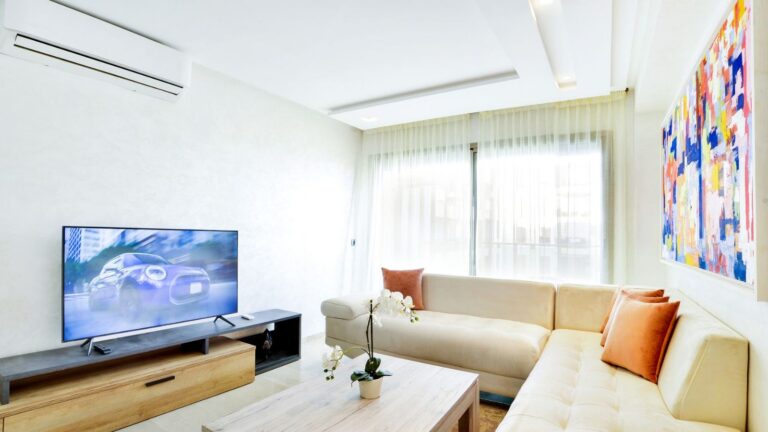
How do you organize the living room?
The living room collects everyone’s stuff: remotes, chargers, blankets, toys and mail. The goal is quick reset, not perfection.
- Use closed storage. A storage ottoman, lidded baskets or a cabinet hides the visual clutter of games, toys and cords.
- Corral the small things. One tray or basket for remotes, coasters and chargers keeps the coffee table clear.
- Set a blanket limit. Keep two or three throws in a basket and store the rest in a linen closet.
- Edit shelves. Keep books and decor you love. Leave some empty space so shelves feel calm, not crammed.
- Tame cords. Velcro ties and a simple cord box behind the TV make the area easier to dust.
If kids play in the living room, give toys one bin per category and a rule that toys go back in bins before dinner.
How do you organize the bedroom?
Your bedroom should be the calmest room in the house. Keep it for sleeping, dressing and relaxing, and move work and storage overflow elsewhere when you can.
Nightstands
Keep a lamp, a charger and one or two items you use nightly on top. Use the drawer for lip balm, a book and tissues, with a small tray to stop it becoming a junk drawer.
Dressers
File-fold shirts so you can see every item when you open the drawer. Use small boxes or drawer dividers for socks and underwear. Keep the dresser top mostly clear.
Under the bed
Lidded, rolling bins under the bed are ideal for off-season clothes, extra bedding or wrapping paper. Label the short end so you know what is in each without pulling them out.
Keep fresh sheets folded inside one of their own pillowcases so the set stays together. If you are not sure how often to rotate them, see how often you should wash your sheets.
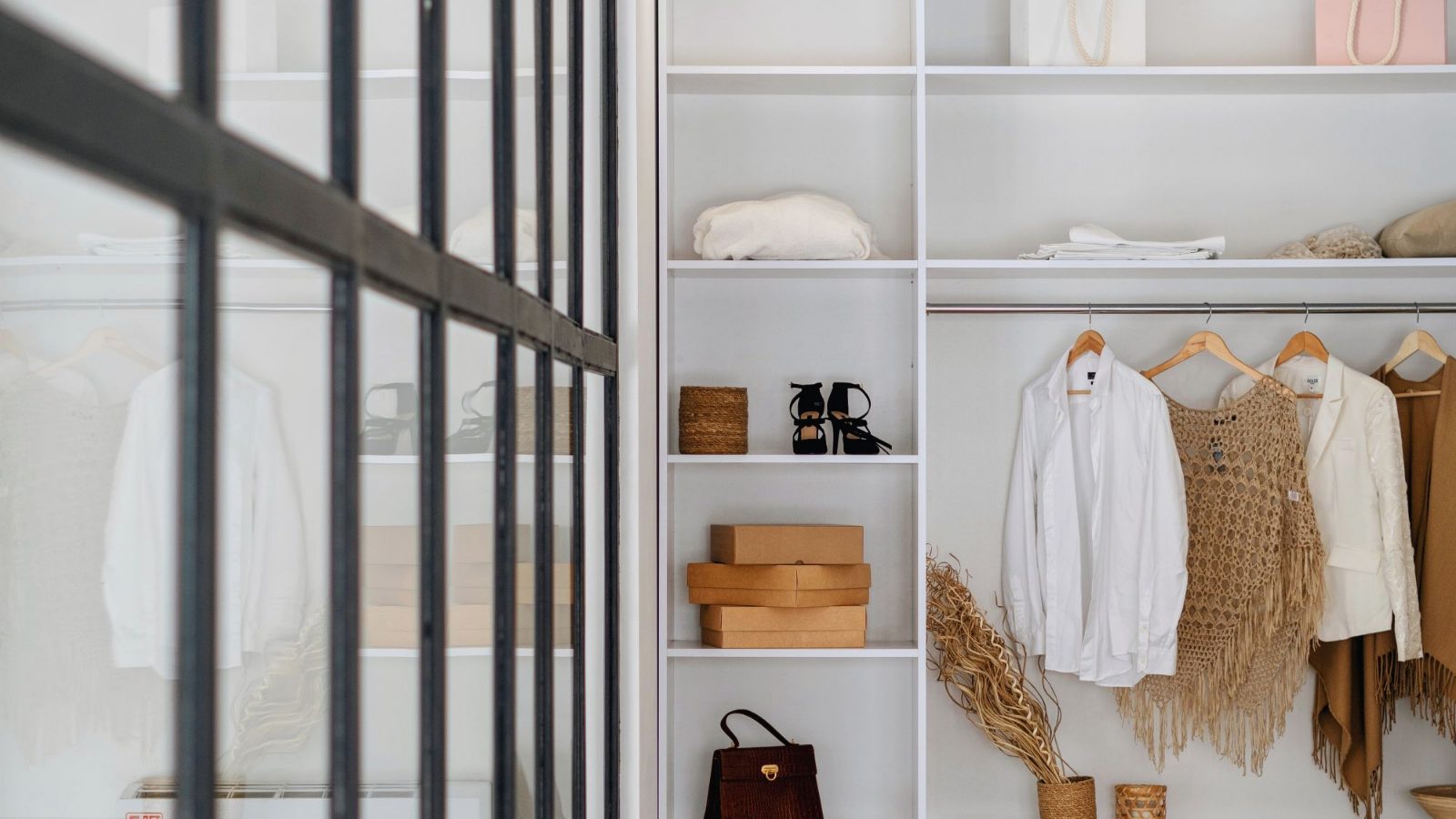
How do you organize a closet?
A closet only works when it holds clothes you actually wear. Start with a full edit: try on anything you have not worn in the past year, and let go of what does not fit, needs repairs you will never make or does not suit your life now.
- Switch to matching slim hangers. They save space and make the rail look tidy.
- Hang by category (tops, pants, dresses, jackets), then by color within each category.
- Add a second rod under short hanging items to double your hanging space.
- Use shelf dividers for stacks of sweaters and jeans so piles do not topple.
- Store off-season clothes in bins up high or under the bed.
You do not need a custom system to get there. Our guide to organizing a closet on a budget shows how to do it with inexpensive hangers, boxes and a few smart hacks.
How do you organize the bathroom?
Bathrooms are small but packed with tiny items, so they get messy fast. Edit hard here, because many products expire.
- Purge expired products. Toss old makeup, sunscreen and medicine past its date. Check local guidance for safe medicine disposal.
- Use drawer organizers. Small trays keep hair ties, razors, toothpaste and makeup separate.
- Go vertical. An over-the-toilet shelf, wall hooks for towels and an over-the-door rack add storage without floor space.
- Organize under the sink. Use stackable bins or a two-tier pull-out organizer for backstock, and a turntable for bottles.
- Keep the counter light. Only daily items such as toothbrushes, hand soap and lotion stay out.
An organized bathroom is far easier to keep clean. Once the counter is clear, quick wipe downs and jobs like removing hard water stains from shower doors take minutes instead of an afternoon.
How do you organize the entryway?
The entryway is where clutter enters the house. A good drop zone catches shoes, bags, keys and mail before they spread to the kitchen table.
- Install hooks at adult and kid heights for bags and coats.
- Use a boot tray or shoe rack, with a limit of one or two pairs per person by the door.
- Add a small tray or bowl for keys and sunglasses.
- Keep a mail sorter with three slots: action, file and recycle. Open mail by the recycle bin.
- Give each family member one basket for hats, gloves and small items.
No entryway? Use the back of the front door, a slim console table or a wall shelf with hooks underneath.
How do you organize a home office or paperwork?
Paper is one of the biggest sources of hidden clutter. Set up a simple system and process it weekly.
A simple paper system
- Inbox: One tray where all incoming paper lands.
- Action file: Bills to pay, forms to sign and things to schedule. Review it weekly.
- Reference file: Folders for home, insurance, taxes, medical, school and vehicles.
- Archive: Important documents you rarely need. Store originals like birth certificates and deeds in a fire-resistant box.
Switch to paperless statements where you can and shred documents with personal information before you recycle them. If you need help deciding which documents to keep and for how long, a tax professional can advise you based on your situation.
Desk
Keep only your computer, a lamp, a pen cup and the project you are working on. Store supplies in a drawer with dividers. Clear the desk at the end of each work day.
How do you organize the laundry room?
- Install a shelf above the washer and dryer for detergent and supplies.
- Use a rolling cart to fit the gap beside the machines.
- Keep a small bin for items found in pockets and a basket for single socks.
- Use a sorter with separate bags for lights, darks and towels to save time on wash day.
- Store laundry products in their original containers and keep them out of reach of children.
How do you organize the garage, basement and storage areas?
These are the rooms where clutter goes to hide. Tackle them on a weekend, ideally with a helper, and plan for a donation drop-off the same day.
- Pull everything out and sort into zones such as tools, sports, gardening, holiday, car care and household backstock.
- Edit hard. Let go of broken equipment, outgrown sports gear and projects you will not finish.
- Use the walls. Pegboard, hooks and wall-mounted shelving get bikes, tools and garden gear off the floor.
- Use clear, labeled bins on sturdy shelving. Put heavy items low and light, seasonal items high.
- Store chemicals safely. Keep paint, fuel and pesticides in original containers, on a high shelf, away from heat sources and children.
Keep anything that could be damaged by moisture off a basement floor, and use plastic bins with lids instead of cardboard boxes.
How do you organize kids’ rooms and toys?
Kids can keep a room tidy when the system is simple enough for them to use on their own.
- Use open bins with picture labels for young children who cannot read yet.
- Keep toys at their height and store extra toys out of sight.
- Rotate toys every few weeks so fewer are out at once.
- Lower closet rods so kids can hang their own clothes.
- Do a quick toy edit before birthdays and holidays to make room for new things.
How much does it cost to organize your home?
You can organize most of your home for very little if you declutter first and reuse what you have. Prices vary by store and region, but here is what many households typically spend.
| Approach | What it includes | Typical cost range |
|---|---|---|
| Free | Decluttering, reusing shoeboxes, jars and baskets you already own | $0 |
| Budget | Drawer dividers, slim hangers, a few bins and labels for one or two rooms | Roughly $25 to $100 |
| Mid range | Matching bins, shelf risers and over-the-door organizers across the house | Roughly $150 to $500 |
| Larger projects | Garage shelving, closet systems or professional organizer help | Often $500 and up, depending on scope and region |
If you are working toward a bigger home project, organizing first helps you see what you actually need. Our guide to budget home upgrades that add the most value covers where it is worth spending.
How do you keep your home organized?
Organizing is a one-time project. Staying organized is a routine. These habits keep the work you did from unraveling.
Daily: the 10 minute reset
Every evening, set a timer for 10 minutes. Put things back in their homes, clear the kitchen counters, load the dishwasher and reset the entryway. With everyone helping, it often takes less than 10 minutes.
Weekly: the 30 minute tidy
Once a week, go through the mail and paper inbox, clear out the fridge before grocery shopping and put away anything that drifted into the wrong room.
Seasonally: the quick edit
Every three months, swap seasonal clothes, edit the kids’ toys and check the pantry and bathroom for expired items. Keep a donation bag in a closet so letting go is easy year round.
Helpful house rules
- One in, one out: when something new comes in, something similar leaves.
- Do not put it down, put it away: it takes the same few seconds.
- Touch it once: open mail and handle it immediately when possible.
Pair these habits with a regular cleaning plan and the whole house stays easier to manage. Our complete home cleaning schedule fits right alongside this routine.
Amelia’s tip: If a system keeps failing, it is the system, not you. Watch where things naturally land and move their home there. A hook where the backpacks always drop beats a closet nobody uses.
Room by room home organization checklist
Use this checklist to track your progress. Tackle one row per session and check it off when done.
| Room | Key tasks | Estimated time | Done |
|---|---|---|---|
| Kitchen | Clear counters, sort cabinets by zone, edit utensils, group food, organize under sink | 3 to 5 hours (split into sessions) | ☐ |
| Living room | Add baskets for remotes and blankets, edit shelves, contain toys, tame cords | 1 to 2 hours | ☐ |
| Main bedroom | Clear nightstands, file-fold dresser drawers, set up under-bed storage | 1 to 2 hours | ☐ |
| Closets | Edit clothes, matching hangers, hang by category, store off-season items | 2 to 4 hours | ☐ |
| Bathrooms | Toss expired items, add drawer trays, organize under sink, clear counter | 1 hour per bathroom | ☐ |
| Entryway | Install hooks, shoe tray, key bowl and mail sorter | 30 to 60 minutes | ☐ |
| Home office and paper | Set up inbox, action and reference files, clear desk, shred old papers | 2 to 3 hours | ☐ |
| Laundry room | Add shelf or cart, sorter bags, lost sock basket | 30 to 60 minutes | ☐ |
| Kids’ rooms | Edit toys, picture labels, lower closet rod, set up rotation bins | 1 to 2 hours per room | ☐ |
| Linen closet | Edit towels and sheets, store sets together, label shelves | 45 minutes | ☐ |
| Garage and storage | Sort into zones, use walls, clear bins, store chemicals safely | 1 to 2 days | ☐ |
Amelia’s picks for this project
- Utopia Home Clear Stackable Fridge Bins (8 pack)See-through bins that corral produce, snacks and leftovers so nothing gets lost in the back.
- Best Choice Products 9-Cube Storage OrganizerA flexible cube shelf for toys, books, craft supplies or entryway gear.
- Brother P-touch PTD220 Label MakerClear labels help everyone in the house put things back where they belong.
As an Amazon Associate, Amelia Jay earns from qualifying purchases. See all of Amelia’s picks
Frequently asked questions
What is the first thing to do when organizing your home?
Declutter. Before you buy any storage, remove items that are broken, expired, duplicated or no longer used. Organizing becomes much faster once you only have to find homes for the things you actually keep.
Which room should I organize first?
Start with the room that causes the most daily stress, which for most households is the kitchen or the entryway. If you feel overwhelmed, begin with one small area like a drawer or bathroom counter to get a quick win.
How long does it take to organize a whole house?
It depends on the size of your home and how much you own. Many people can work through an average home in a few weekends, or in about a month doing one room or zone in short daily sessions.
How do I organize my home when I have too much stuff?
Focus on reducing before organizing. Set limits, such as one shelf for mugs or one bin for craft supplies, and keep only what fits. A structured plan with one small decluttering task per day makes the process manageable.
How do I keep my house organized with kids?
Make systems simple enough for kids to use alone: open bins, picture labels and hooks at their height. Add a short daily reset where everyone puts things back, and rotate toys so fewer are out at once.
Do I need to buy organizing products?
Not at first. Shoeboxes, jars, baskets and small boxes work well as drawer dividers and containers. Buy products only after decluttering and measuring, and only for problems that free options do not solve.
You do not have to organize the whole house this weekend. Pick one room, follow the five step process and let the results motivate you to keep going. Small, steady progress is what makes an organized home last.