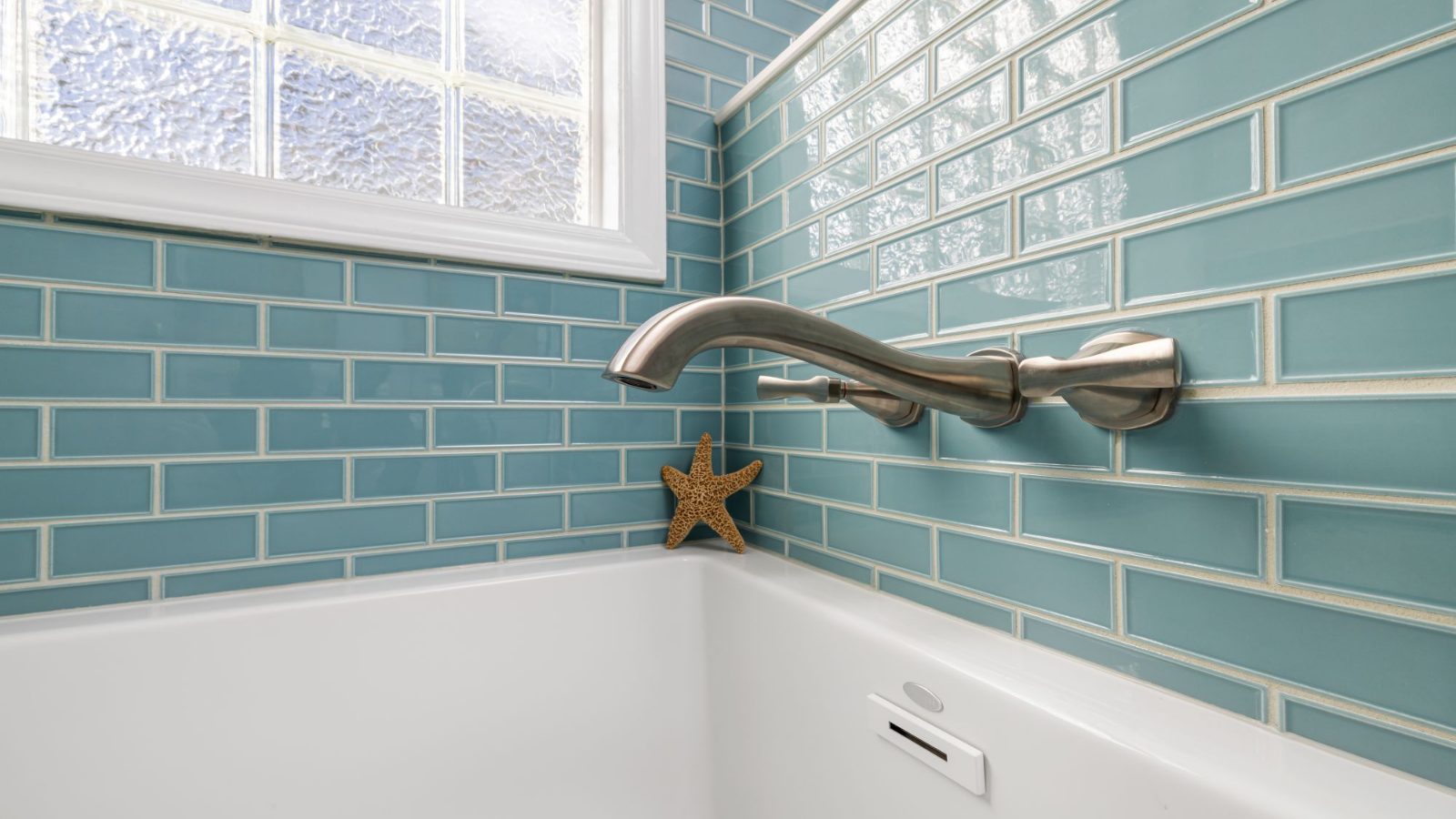
Quick answer: To clean grout, scrub it with a paste of baking soda and water using a stiff grout brush, then follow up with a hydrogen peroxide paste for deeper stains and rinse well. For stubborn dirt, a steam cleaner or an oxygen bleach solution works without harsh fumes. Once it is clean and dry, apply a grout sealer so it stays that way longer.
Grout is porous, so it soaks up dirt, soap scum and spills that regular mopping never touches. With the right paste and a little elbow grease, most dingy grout comes back to its original color in an afternoon.
Updated October 2026
Key takeaways
- Start gentle: warm water and a stiff brush, then baking soda paste, then peroxide or oxygen bleach for tough stains.
- A narrow, stiff nylon grout brush beats any sponge; avoid wire brushes, which can scratch tile and gouge grout.
- Vinegar can wear down unsealed grout and damage natural stone, so use it sparingly or not at all.
- Never mix bleach with ammonia or vinegar, and ventilate the room while you work.
- Seal grout once it is clean and fully dry, and reseal it roughly once a year in wet areas.
What is the best way to clean grout?
The best method depends on how dirty your grout is. Always start with the gentlest option and only move up if you need to. Here is a quick guide.
| Grout condition | Best method | Time to work |
|---|---|---|
| Light dirt, slightly dull | Warm water and a stiff brush | A few minutes |
| Gray and grimy | Baking soda and water paste | 5 to 10 minutes |
| Dark stains, soap scum | Baking soda, hydrogen peroxide and dish soap paste | 10 to 15 minutes |
| Deep set dirt on floors | Oxygen bleach solution | 10 to 15 minutes |
| Mildew in showers | Peroxide paste, oxygen bleach or a diluted bleach solution (used alone) | 10 to 15 minutes |
| Large areas, heavy buildup | Steam cleaner with a grout brush attachment | Varies by area |
What supplies do you need to clean grout?
- A stiff nylon grout brush (an old toothbrush works for small areas)
- Baking soda
- Hydrogen peroxide (3 percent)
- Liquid dish soap
- Oxygen bleach powder (optional, for tough floor stains)
- A spray bottle and a small bowl for mixing
- Microfiber cloths and a bucket of clean water
- Rubber gloves and knee pads for floors
- Penetrating grout sealer for the final step
How do you clean grout with baking soda and peroxide?
This is the go-to method for most kitchen and bathroom grout. It lifts stains without harsh fumes and is safe on most tile.
- Clear and rinse. Sweep or vacuum floors, or wipe down shower walls, so you are not scrubbing loose dirt around. Spray the grout with warm water.
- Mix the paste. Combine 1/2 cup baking soda, 1/4 cup hydrogen peroxide and 1 teaspoon dish soap. It should be thick, like toothpaste.
- Apply. Spread the paste along the grout lines with your brush or a spoon. Work in sections about 3 feet square so it does not dry out.
- Wait. Let it sit for 5 to 10 minutes. You may see light bubbling, which is the peroxide working.
- Scrub. Use the grout brush in short, firm back and forth strokes along each line.
- Rinse. Wipe away the paste with a damp microfiber cloth, rinsing the cloth often in clean water.
- Repeat if needed. Older stains may need a second round.
- Dry. Wipe the area dry and let it air out. Grout looks darker when wet, so judge your results once it is dry.
Mix only what you need for one session. The paste loses strength as it sits.
Amelia’s tip: Work from the cleanest area toward the dirtiest so you do not spread grime with your brush. On floors, start in the corner farthest from the door so you never have to kneel on a wet section.
How do you clean very dirty floor grout?
Floor grout in kitchens and entryways often needs more than a paste, because years of foot traffic push dirt deep into the surface.
Oxygen bleach method
- Dissolve oxygen bleach powder in warm water according to the package directions.
- Pour or spray the solution over the grout lines in one section, keeping them wet.
- Let it sit for 10 to 15 minutes.
- Scrub with the grout brush, then mop or wipe with clean water.
- Rinse a second time to remove any residue, and dry the floor.
Oxygen bleach is different from chlorine bleach. It is generally gentler on colored grout and does not produce the same harsh fumes, but you should still wear gloves and keep the room ventilated.
Steam cleaning
A steam cleaner with a narrow nozzle or small brush attachment uses heat and pressure to loosen dirt with no chemicals at all. Move slowly along each grout line, wipe up the loosened grime as you go and let the floor dry. Many hardware stores rent steam cleaners if you do not want to buy one. Check your tile manufacturer’s guidance first, since high heat is not recommended for some surfaces.
How do you remove mold and mildew from shower grout?
Black or pink spots in shower grout are usually mildew or mold growing in a constantly damp spot.
- Open the window or run the exhaust fan, and put on gloves.
- Apply the baking soda and peroxide paste, or spray straight 3 percent hydrogen peroxide on the spots.
- Let it sit for 10 to 15 minutes, then scrub and rinse.
- For stains that remain, you can use a diluted chlorine bleach solution following the label directions on white grout only. Rinse thoroughly afterward.
- Dry the shower completely and leave the door or curtain open so air can circulate.
Amelia’s tip: Never mix bleach with ammonia, vinegar or other cleaners, and rinse surfaces well with plain water before switching products. Bleach fumes build up fast in a small bathroom, so ventilation and gloves are a must.
If the mildew keeps coming back, the bathroom is probably staying too damp. Run the fan longer after showers and squeegee the walls. Hard water spots on the glass often show up in the same showers, and our guide to removing hard water stains from glass shower doors tackles that next.
Can you use vinegar to clean grout?
Vinegar is a popular homemade cleaner, but it is not the best choice for grout. Its acidity can slowly wear away cement-based grout, especially if it is unsealed, and it can etch natural stone tile like marble, travertine and limestone.
If you do use it on ceramic or porcelain tile, dilute it with equal parts water, keep contact time short and rinse well. Baking soda and peroxide is usually the safer option.
How do you seal grout after cleaning?
Sealing is what keeps your hard work from undoing itself in a few months. It fills the pores so spills and dirt sit on top instead of soaking in.
- Make sure the grout is completely clean and dry. Wait at least 24 hours after deep cleaning, or longer in a humid bathroom.
- Choose a penetrating sealer made for grout and follow the label.
- Apply it carefully along the grout lines with an applicator bottle or small brush.
- Wipe any sealer off the tile surface within a few minutes, before it dries into a haze.
- Let it cure for the time listed on the label before getting it wet.
To test whether your grout needs sealing, drip a little water on it. If it darkens and soaks in within a few minutes, it is time to reseal.
How often should you clean grout?
| Area | Quick clean | Deep clean | Reseal |
|---|---|---|---|
| Shower and tub | Weekly wipe or spray | Every 1 to 3 months | About once a year |
| Kitchen backsplash | Wipe after cooking | Every 3 months | Every 1 to 2 years |
| Kitchen and entry floors | Weekly mop | Every 3 to 6 months | Every 1 to 2 years |
| Low traffic floors | Weekly mop | Every 6 to 12 months | Every 2 to 3 years |
Adding grout to the complete home cleaning schedule keeps it from turning into a big project again.
What if grout still looks bad after cleaning?
Sometimes grout is stained deep, cracked or crumbling, and no cleaner will fix it. You have two budget-friendly options:
- Grout colorant or grout pen: These coat the surface to restore an even color. They are inexpensive and work well on grout that is sound but stained.
- Regrouting: Removing damaged grout and applying new grout is a bigger job, but it can make an old bathroom look new. Costs vary by region and area size, so get a couple of quotes if you hire it out.
Refreshed grout is one of the cheapest ways to make a kitchen or bathroom look updated. See more ideas in our guide to budget home upgrades that add the most value. If you rent, grout pens are usually a safe choice, but check our tips on updating a rental without losing your deposit before you change anything.
Amelia’s picks for this project
- Cordless Electric Spin ScrubberSwappable brush heads do the scrubbing on tubs, tile and grout for you.
- Bar Keepers Friend Powder Cleanser (2 pack)A classic mild abrasive for hard water spots, stovetops and stainless steel.
- Amazon Basics Microfiber Cleaning ClothsWashable cloths that grab dust and streaks with just water for most jobs.
As an Amazon Associate, Amelia Jay earns from qualifying purchases. See all of Amelia’s picks
Frequently asked questions
What is the best homemade grout cleaner?
A paste of 1/2 cup baking soda, 1/4 cup hydrogen peroxide and 1 teaspoon dish soap works well on most grout. Apply it, let it sit for 5 to 10 minutes, scrub with a stiff brush and rinse. Mix it fresh each time.
How do you get grout white again?
Use a baking soda and hydrogen peroxide paste or an oxygen bleach solution, let it sit and scrub firmly with a grout brush. For white grout with deep stains, a diluted chlorine bleach solution used alone can help. If it still looks dingy, a white grout colorant can restore an even color.
Can I use a magic eraser on grout?
A melamine sponge can lift surface dirt from grout, but it wears down quickly on rough grout lines and can dull some glossy tile finishes. Test it on a small spot first. A stiff nylon grout brush is usually more effective and lasts longer.
Does steam cleaning damage grout?
Steam is generally safe for sealed, intact ceramic and porcelain tile grout and is one of the most effective chemical-free methods. It can loosen grout that is already cracked or crumbling, and high heat is not recommended for some stone or specialty tiles. Check your tile guidance and reseal afterward.
Should you seal grout after cleaning?
Yes. Sealing helps grout resist stains and moisture, so it stays clean longer. Wait until the grout is completely dry, usually at least 24 hours after cleaning, then apply a penetrating grout sealer and let it cure.
Clean grout makes the whole room look brighter, and once it is sealed, a quick weekly wipe keeps it that way. Start with the gentle method, work up only as needed and finish with a good seal.